ระบบฆ่าเชื้อโรคในสระว่ายน้ำ
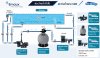
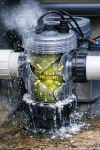

Chlorine 90% is an essential primary sanitizer for every swimming pool, regardless of whether it uses a salt system, mineral system, ionizer, ozone, UV, or other health-oriented treatment systems. These systems function as secondary sanitizers and cannot kill bacteria as rapidly as chlorine. If the water becomes cloudy, develops an odor, or experiences heavy usage, chlorine should be added immediately to restore water quality. Maintain a minimum chlorine level of 0.5 ppm to protect swimmers from newly introduced contaminants. Keeping chlorine in stock ensures your pool remains safe at all times. Store chlorine in a dry area, tightly sealed, and away from moisture. If you need guidance on dosage or product selection, feel free to ask anytime.

Different salt chlorinator brands require different salt levels such as 2,700-3,400 ppm, 3,000-4,000 ppm, or even up to 5,000 ppm.
However, the ideal range for both the swimmer and the machine is 3,000-3,500 ppm.
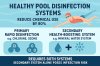
Swimming pool water treatment is an important process to maintain the cleanliness, safety, and health of pool users. Today's consumers demand safe water, reduced chlorine use, less pungent odors, less irritation, and a healthier swimming experience. Modern swimming pool treatment systems have evolved into two systems: a primary disinfection system and a secondary disinfection system. Both systems work together to produce the best and safest water quality.
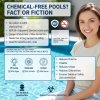
No swimming pool can be 100% chemical-free
NSF 50 certifies equipmentnot water quality
Ionizer systems reduce chlorine but disinfect slowly
For safety, a fast-acting disinfectant is still required
Best suited for private residential pools with low to moderate bather load
