Why Every Swimming Pool Needs 90% Chlorine?
Why Every Swimming Pool Needs 90% Chlorine:
The Fastest and Most Reliable Sanitizer
Todays swimming pools come with many different treatment systemssaltwater, mineral systems, ionizers, oxidation, coppersilver, ultrasonic, ozone, UV, and various health-focused systems. While these systems offer additional benefits, many people misunderstand them as replacements for chlorine.
The truth is simple:
All of these systems are secondary sanitizers. They cannot replace chlorine as the primary, fast-acting disinfectant.
What Is 90% Chlorine and Why Is It So Effective?
90% chlorine (such as TCCA) is a highly concentrated form of chlorine known for its rapid disinfection ability. It can kill bacteria, viruses, algae, and most microorganisms within seconds to minutes.
The World Health Organization (WHO) recognizes chlorine as one of the few sanitizing methods proven to eliminate pathogens quickly and effectively in swimming pools worldwide.
Why Chlorine Is Essential for Every Pool System
Even if your pool uses a premium or chemical-free treatment system, chlorine is still necessary because:
1. Secondary systems cannot kill germs fast enough
Salt systems, ozone, UV, ionizers, and mineral systems work slowly. They do not neutralize new contaminants immediately.
2. Some pathogens can only be destroyed by chlorine
Certain bacteria and viruses are resistant to alternative systems but can be killed quickly by chlorine.
3. Chlorine is your emergency solution
If the water becomes cloudy, smelly, or overloaded with swimmers, chlorine is the only sanitizer that restores water quality fast.
4. It is globally accepted for safety
Chlorine has decades of scientific data supporting its effectiveness and remains the most trusted method for pool sanitation.
How Much Chlorine Should Be Maintained?
For pools using health-oriented or alternative systems, maintain a minimum of 0.5 ppmthe same level found in standard tap water.
This small amount ensures rapid protection against new contaminants without causing strong odor or irritation.
Conclusion
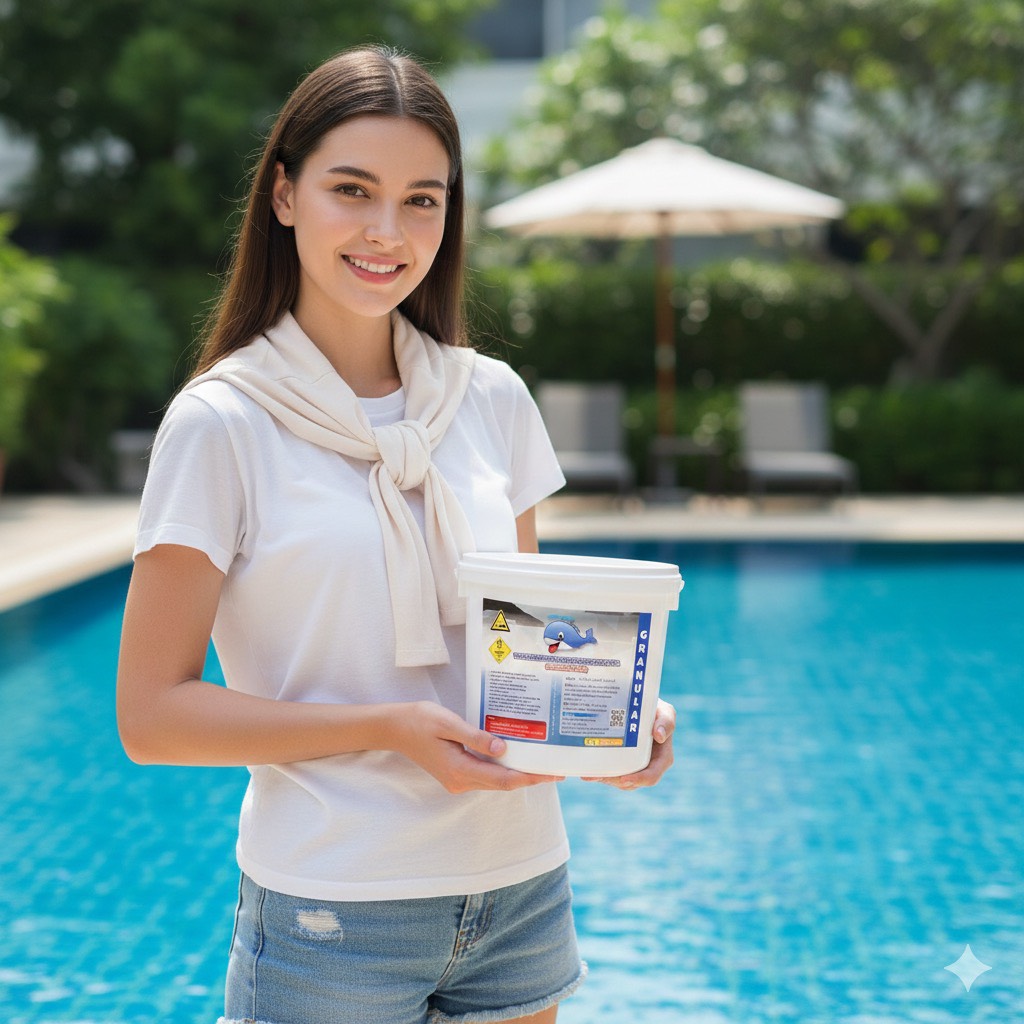
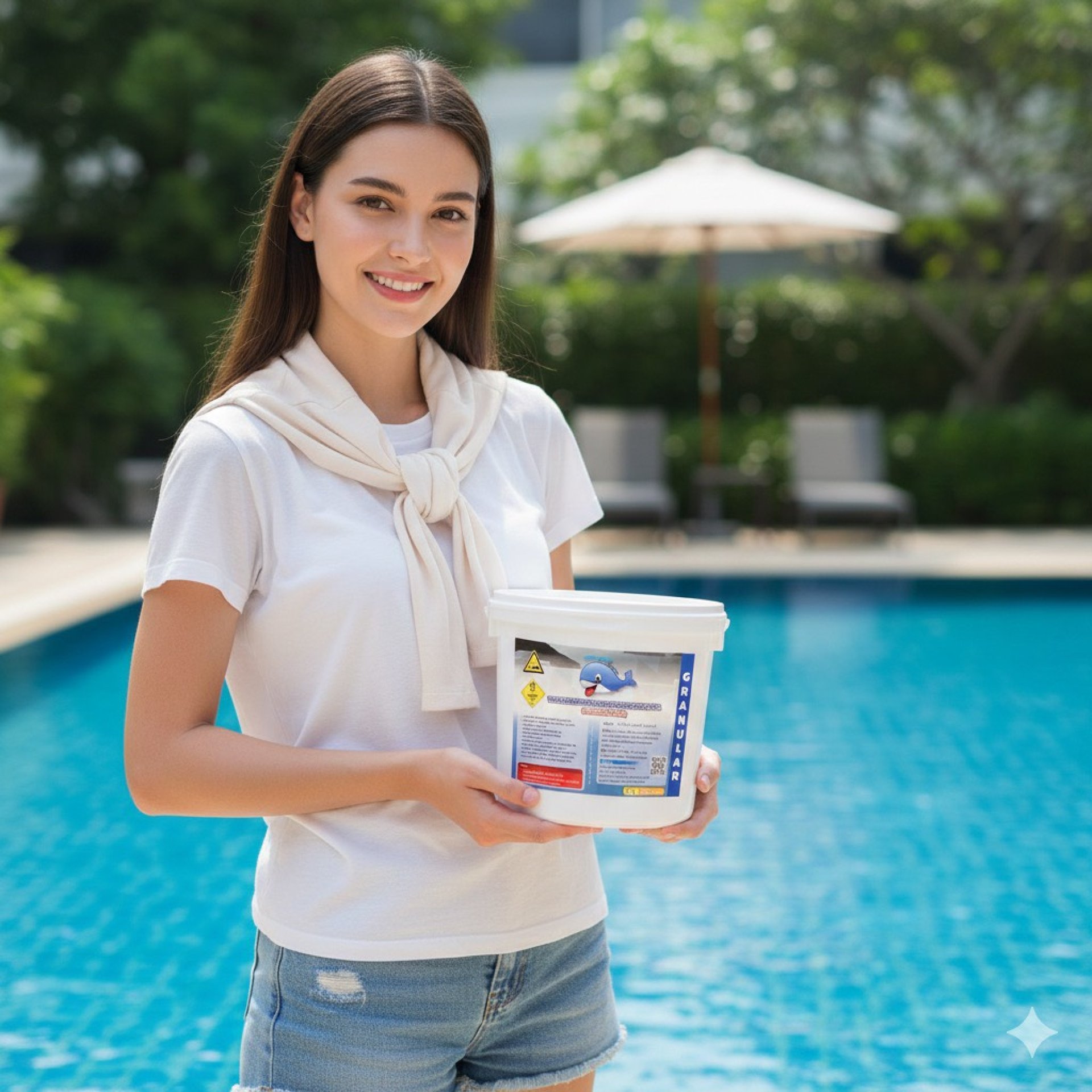
90% chlorine remains the most effective and fastest disinfectant approved for swimming pools. Every poolsalt, mineral, ionizer, ozone, UV, or freshwaterstill needs chlorine as the primary sanitizer. Keeping chlorine in stock at home ensures safety, cleanliness, and immediate treatment in emergencies. Maintain at least 0.5 ppm to protect swimmers and keep your water healthy.
Shopping Chlorine for your pool