⭐ **WATERSTOP for Swimming Pool Construction Selection Guide + Specifications (Winwinpool Standard by Pool Size & Concrete Thickness)**
Last updated: 12 Dec 2025
4859 Views
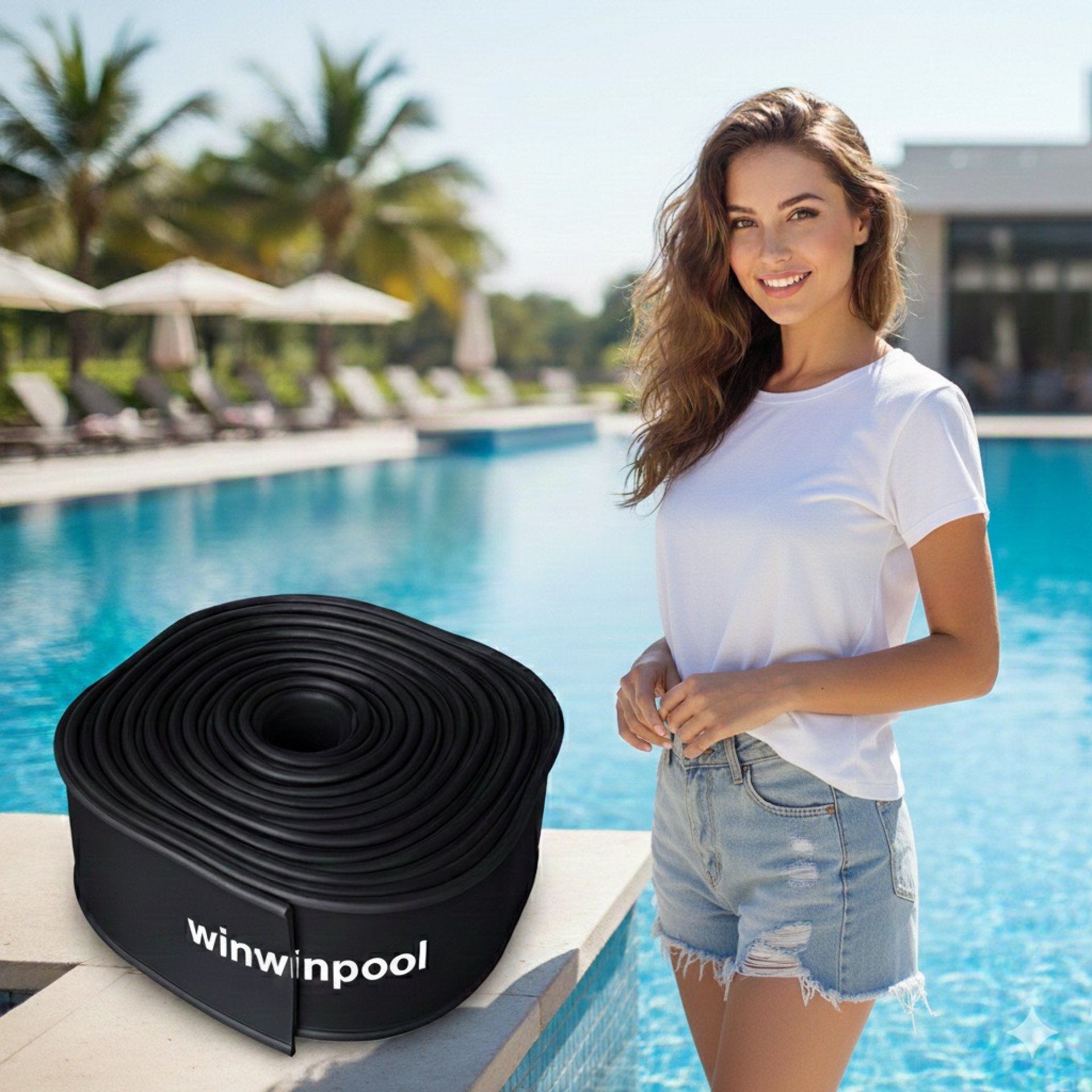
⭐ **WATERSTOP for Swimming Pool Construction
Selection Guide + Specifications
(Winwinpool Standard by Pool Size & Concrete Thickness)**
A waterstop is a critical rubber component used to prevent water leakage through concrete joints in swimming pool structuressuch as floor-to-wall joints, cold joints, and expansion joints in deep or commercial pools. Selecting the correct size and specification is essential for achieving long-term waterproofing performance and minimizing the risk of leakage.
Winwinpool waterstops are manufactured according to TIS 11352544 and AASHTO standards, ensuring structural-grade quality. Material properties include:
Hardness: 69 Shore A
Tensile Strength: 24.1 MPa
Elongation: 510%
Water Absorption: 0.9%
⭐ **Waterstop Classification System by Winwinpool
(Type A / AA / B / BB / C / CC)**
Waterstops are categorized by width, rib design, and thickness, allowing users to select the most appropriate model based on engineering requirements and the type of concrete joint involved.
TYPE A 8" / 3 Ribs / 9.5 mm Thick (Heavy Duty)
Recommended for concrete walls 25-30 cm thick
Best for:
The most demanding applicationsexpansion joints, hotel pools, deep pools, and infinity pools.
Specifications:
Width: 8" (approx. 200-203 mm)
Suitable for 25-30 cm pool walls
Triple-rib design for maximum anchorage
Thickness: 9.5 mm, capable of withstanding high water pressure
Ideal for joints with movement or requiring the highest safety margin
TYPE AA 8" / 3 Ribs / 5 mm Thick (Standard Heavy Duty)
Recommended for concrete walls 20-25 cm thick
Best for:
High-quality pool construction requiring performance but not at Type As extreme level.
Specifications:
Width: 8", suitable for 20-25 cm walls
Triple ribs improve bonding with concrete
Thickness: 5 mm, lighter and easier to install while maintaining performance
A cost-effective alternative to Type A for large residential or resort pools
TYPE B 6" / 3 Ribs / 9.5 mm Thick (Heavy Duty 6")
Recommended for concrete walls 15-20 cm thick
Best for:
Pools requiring strong structural performance but built with medium wall thickness.
Specifications:
Width: 6" (152 mm)
Triple-rib design for enhanced anchorage
Thickness: 9.5 mm for demanding structural loads
Ideal for areas requiring heavy-duty performance with smaller wall profiles
TYPE BB 6" / 3 Ribs / 5 mm Thick
Best for:
General residential pool construction and reliable waterproofing of standard joints.
Specifications:
Width: 6"
Triple-rib profile
Thickness: 5 mm, lightweight and easy to install
Suitable for floor-to-wall joints and cold joints without movement
TYPE C 6" & 8" / 2 Ribs / 9.5 mm Thick (Heavy Duty 2-Rib)
Recommended for concrete walls 20-30 cm (or 6" for 15-20 cm walls)
Best for:
Construction joints requiring high durability and thicker material.
Specifications:
Available in 6" and 8"
Two-rib design, easier to install
9.5 mm thick for high-pressure conditions
Ideal for projects that prefer 2-rib profiles but need heavy-duty performance
TYPE CC 6" & 8" / 2 Ribs / 5 mm Thick (Standard Grade 2-Rib)
Recommended for concrete walls 15-25 cm
Best for:
General residential pools, non-movement joints, and cost-effective waterproofing.
Specifications:
Available in 6" and 8"
Two-rib design suitable for standard applications
Thickness: 5 mm, easy to install and economical
Ideal for typical pool construction and non-critical joints
⭐ Summary: Choosing the Right Waterstop by Concrete Wall Thickness
Concrete Wall Thickness
Recommended Models
15-20 cm
Type B, Type BB, Type C (6"), Type CC (6")
20-25 cm
Type AA, Type C (8"), Type CC (8")
25-30 cm
Type A (Heavy Duty)
⭐ Professional Tips from Winwinpool Engineers
Match the waterstop width to the concrete thicknessnot the pool size
Use 3-rib models for areas with movement or high pressure
Use Heavy Duty (9.5 mm) for high-risk or multi-pour concrete joints
Use Standard (5 mm) for residential pools and non-movement joints
Always position the waterstop in the center of the concrete joint for full sealing efficiency
Selection Guide + Specifications
(Winwinpool Standard by Pool Size & Concrete Thickness)**
A waterstop is a critical rubber component used to prevent water leakage through concrete joints in swimming pool structuressuch as floor-to-wall joints, cold joints, and expansion joints in deep or commercial pools. Selecting the correct size and specification is essential for achieving long-term waterproofing performance and minimizing the risk of leakage.
Winwinpool waterstops are manufactured according to TIS 11352544 and AASHTO standards, ensuring structural-grade quality. Material properties include:
Hardness: 69 Shore A
Tensile Strength: 24.1 MPa
Elongation: 510%
Water Absorption: 0.9%
⭐ **Waterstop Classification System by Winwinpool
(Type A / AA / B / BB / C / CC)**
Waterstops are categorized by width, rib design, and thickness, allowing users to select the most appropriate model based on engineering requirements and the type of concrete joint involved.
TYPE A 8" / 3 Ribs / 9.5 mm Thick (Heavy Duty)
Recommended for concrete walls 25-30 cm thick
Best for:
The most demanding applicationsexpansion joints, hotel pools, deep pools, and infinity pools.
Specifications:
Width: 8" (approx. 200-203 mm)
Suitable for 25-30 cm pool walls
Triple-rib design for maximum anchorage
Thickness: 9.5 mm, capable of withstanding high water pressure
Ideal for joints with movement or requiring the highest safety margin
TYPE AA 8" / 3 Ribs / 5 mm Thick (Standard Heavy Duty)
Recommended for concrete walls 20-25 cm thick
Best for:
High-quality pool construction requiring performance but not at Type As extreme level.
Specifications:
Width: 8", suitable for 20-25 cm walls
Triple ribs improve bonding with concrete
Thickness: 5 mm, lighter and easier to install while maintaining performance
A cost-effective alternative to Type A for large residential or resort pools
TYPE B 6" / 3 Ribs / 9.5 mm Thick (Heavy Duty 6")
Recommended for concrete walls 15-20 cm thick
Best for:
Pools requiring strong structural performance but built with medium wall thickness.
Specifications:
Width: 6" (152 mm)
Triple-rib design for enhanced anchorage
Thickness: 9.5 mm for demanding structural loads
Ideal for areas requiring heavy-duty performance with smaller wall profiles
TYPE BB 6" / 3 Ribs / 5 mm Thick
Best for:
General residential pool construction and reliable waterproofing of standard joints.
Specifications:
Width: 6"
Triple-rib profile
Thickness: 5 mm, lightweight and easy to install
Suitable for floor-to-wall joints and cold joints without movement
TYPE C 6" & 8" / 2 Ribs / 9.5 mm Thick (Heavy Duty 2-Rib)
Recommended for concrete walls 20-30 cm (or 6" for 15-20 cm walls)
Best for:
Construction joints requiring high durability and thicker material.
Specifications:
Available in 6" and 8"
Two-rib design, easier to install
9.5 mm thick for high-pressure conditions
Ideal for projects that prefer 2-rib profiles but need heavy-duty performance
TYPE CC 6" & 8" / 2 Ribs / 5 mm Thick (Standard Grade 2-Rib)
Recommended for concrete walls 15-25 cm
Best for:
General residential pools, non-movement joints, and cost-effective waterproofing.
Specifications:
Available in 6" and 8"
Two-rib design suitable for standard applications
Thickness: 5 mm, easy to install and economical
Ideal for typical pool construction and non-critical joints
⭐ Summary: Choosing the Right Waterstop by Concrete Wall Thickness
Concrete Wall Thickness
Recommended Models
15-20 cm
Type B, Type BB, Type C (6"), Type CC (6")
20-25 cm
Type AA, Type C (8"), Type CC (8")
25-30 cm
Type A (Heavy Duty)
⭐ Professional Tips from Winwinpool Engineers
Match the waterstop width to the concrete thicknessnot the pool size
Use 3-rib models for areas with movement or high pressure
Use Heavy Duty (9.5 mm) for high-risk or multi-pour concrete joints
Use Standard (5 mm) for residential pools and non-movement joints
Always position the waterstop in the center of the concrete joint for full sealing efficiency


Tags :
Related Content
What is a Variable Speed Pump? How does it work?
Comparing SS vs 2-Speed vs VSP in All Dimensions
Calculating Electricity Costs and Payback Period
Other Benefits of VSP People Often Overlook
What Type of Pool is VSP Suitable For?
Recommended Best Value VSPs in 2026
Frequently Asked Questions (FAQ)
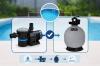
Pumps and sand filters are "partners" that must work together in balance. Choosing a pump that delivers water faster than the filter can handle → water passes through the sand too quickly, unable to filter properly,