How to Clean and Maintain a Swimming Pool Pump for Long-Lasting Use in 2026
Last updated: 10 Sept 2026
1296 Views
Related Content
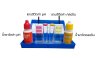
pH ตํ่ากว่า 7.2 ใช้โซดาแอซ (Na2CO3)
pH สูงกว่า 7.6 ใช้กรดเกลือ (HCl) หรือ (NaHSO4)
⭐ Brief Summary
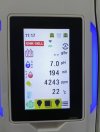
Most Check Cell problems are caused by no water flow or loose cell cables.
Check the flow and cable connectors for tightness. The system will resume operation and the warning message will disappear.
Why You Should Never Use Exposed Aggregate (Washed Sand Finish) Inside a Swimming Pool
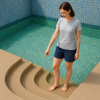
Using exposed aggregate or washed sand finish inside the pool is strongly discouraged because chlorine and pool chemicals gradually erode the surface, causing sand particles to loosen and detach. These particles are then carried by the water flow into the filtration system, where they often get stuck in the pump impeller, leading to wear, reduced performance, and costly pump damage.
Additionally, exposed aggregate surfaces retain algae, are difficult to clean, and the rough texture may cause scratches or abrasions to swimmers. As the surface deteriorates, loose particles make the pool water cloudy and increase the frequency of maintenance, driving up long-term operating costs.
✅ Recommendation
