Why You Should Never Use Exposed Aggregate (Washed Sand Finish) Inside a Swimming Pool
Why You Should Never Use Exposed Aggregate (Washed Sand Finish) Inside a Swimming Pool
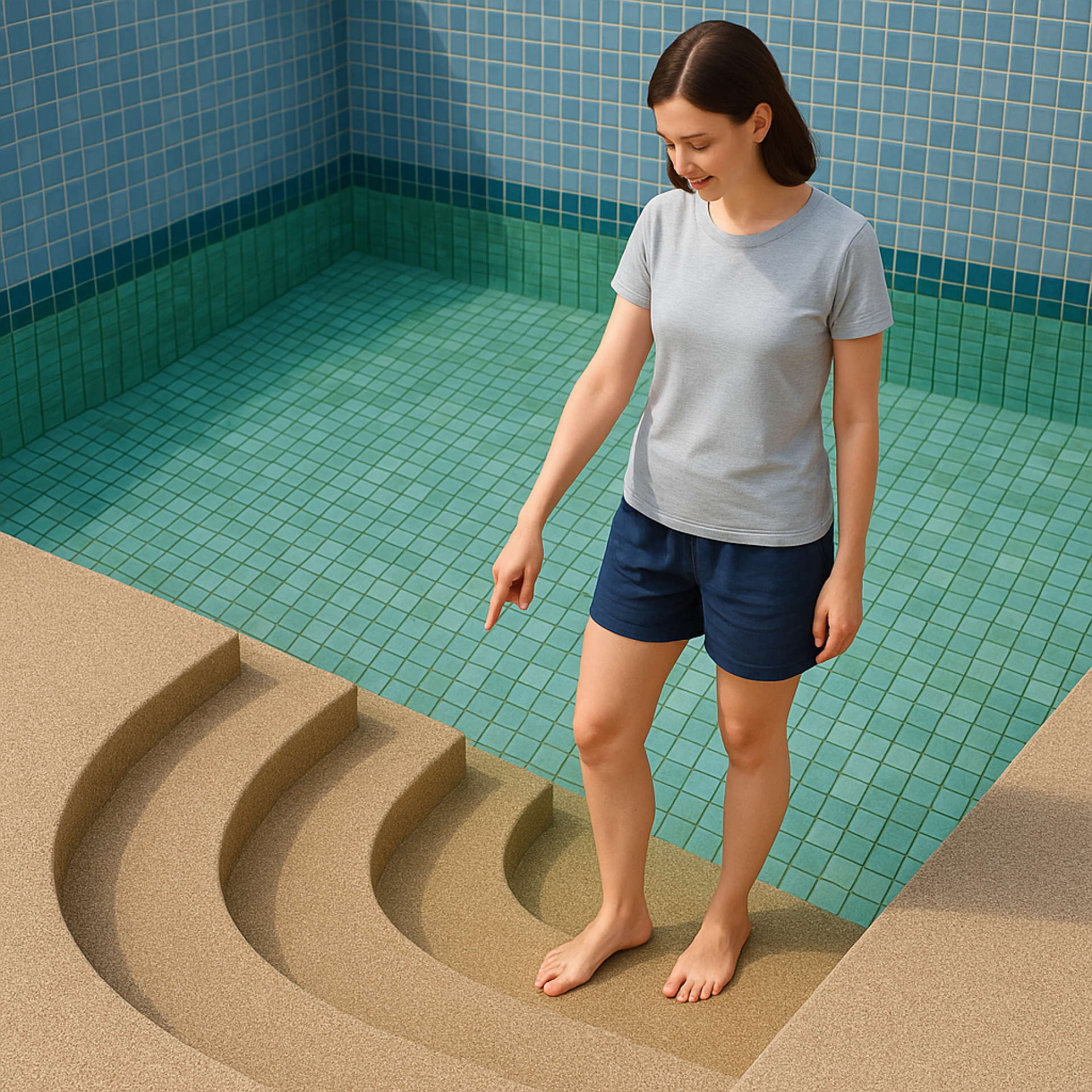
Choosing the right interior finish for a swimming pool is crucial for safety, durability, and long-term maintenance costs. While exposed aggregate or washed sand finish is popular for outdoor walkways or poolside areas, it is highly unsuitable for the interior of a swimming pool for several important reasons.
1. Chemical Erosion From Chlorine and Pool Treatments
Washed sand surfaces are not designed to withstand strong pool chemicals. Over time, chlorine and other sanitizers corrode the surface, causing sand particles to detach from the finish. This leads to rapid surface deterioration and uneven texture that worsens with continued exposure.
️ 2. Detached Sand Damages the Pump and Filtration System
Once sand particles break loose, pool circulation carries them into the filtration system, where they often lodge inside:
The pump impeller
The mechanical seal
Valves and piping
Accumulated sand causes impeller wear, reduced water flow, pressure loss, noisy operation, and eventually pump failureresulting in expensive repairs or replacement.
3. High Tendency to Trap Dirt and Algae
The rough, porous texture of exposed aggregate easily traps:
Algae
Stains
Sediment
This makes cleaning significantly more difficult. Even with regular brushing, the surface often remains discolored and can make the pool appear dirty despite proper chemical levels.
4. Rough Surface Can Cause Injuries
The abrasive nature of washed sand can cause:
Scratches
Cuts
Skin irritation
This is especially concerning for children, swimmers, and elderly pool users.
5. Higher Long-Term Maintenance Costs
Because the surface deteriorates faster and creates more operational problems, owners face increased expenses for:
Frequent system flushing
Higher chemical usage
Early pump or filter replacement
Premature resurfacing of the pool
The long-term cost is significantly higher than using proper pool-grade materials.
Recommended Materials for Pool Interiors
For durability and ease of maintenance, choose materials specifically engineered for underwater use, such as:
High-quality mosaic tiles
Porcelain or ceramic pool tiles
Epoxy or pool-coating finishes
Vinyl liner systems (for compatible structures)
These materials resist chemical damage, maintain visual appeal, and protect pool equipment.
⭐ Conclusion
Exposed aggregate is suitable around the poolbut never inside it. It leads to chemical erosion, equipment damage, algae buildup, injuries, and unnecessary long-term expenses. Choosing the correct interior finish ensures a beautiful, durable, and easy-to-maintain swimming pool.