Share

คนท้อง ว่ายน้ำแบบไหน ปลอดภัยที่สุด
Last updated: 6 May 2025
111 Views

คนท้อง ว่ายน้ำแบบไหน ปลอดภัยที่สุด

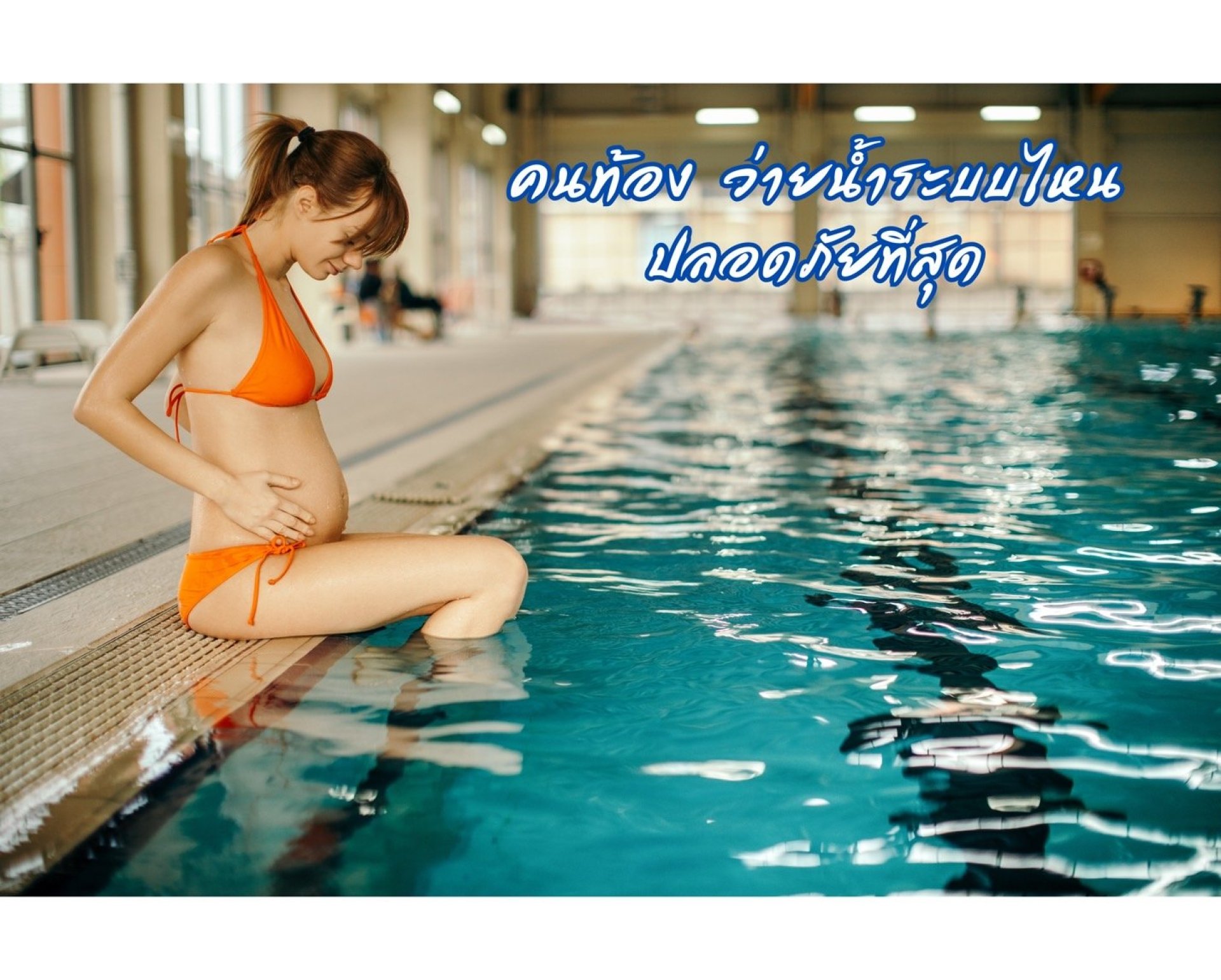
     การว่ายน้ำถือว่าเป็นการออกกำลังกายที่ปลอดภัยและมีประโยชน์สำหรับผู้หญิงที่ตั้งครรภ์  เนื่องจากสามารถช่วยบรรเทาอาการไม่สบายที่เกิดจากการตั้งครรภ์และเป็นกิจกรรมที่มีผลกระทบต่ำ อย่างไรก็ตาม ความปลอดภัยของระบบการฆ่าเชื้อในสระว่ายน้ำเป็นเรื่องสำคัญ นี่คือการเปรียบเทียบระบบการฆ่าเชื้อต่างๆ:

     1. สระคลอรีน:
          • ความปลอดภัย: โดยทั่วไปแล้วปลอดภัยสำหรับผู้หญิงที่ตั้งครรภ์เมื่อรักษาระดับคลอรีนให้อยู่ในระดับที่เหมาะสม คลอรีนสามารถฆ่าเชื้อแบคทีเรียและเชื้อโรคอื่นๆ ได้อย่างมีประสิทธิภาพ
          • ข้อกังวล: บางคนอาจมีอาการระคายเคืองต่อผิวหนังหรือทางเดินหายใจจากคลอรีน ควรมั่นใจว่าระดับคลอรีนไม่สูงหรือต่ำเกินไปเพื่อหลีกเลี่ยงการระคายเคือง
 
   2. ระบบ UV (อัลตราไวโอเลต):

          • ความปลอดภัย: ปลอดภัยสำหรับผู้หญิงที่ตั้งครรภ์ ระบบ UV ใช้แสงอัลตราไวโอเลตในการฆ่าเชื้อในน้ำ ซึ่งสามารถฆ่าเชื้อแบคทีเรีย ไวรัส และจุลินทรีย์อื่นๆ ได้
            • ข้อดี: ลดความจำเป็นในการใช้คลอรีนในระดับสูง ทำให้มีผลข้างเคียงจากสารเคมีในน้ำลดลง
            • ข้อกังวล: ระบบ UV อย่างเดียวไม่สามารถรักษาระดับการฆ่าเชื้อในน้ำได้ จึงมักใช้งานร่วมกับคลอรีนหรือสารฆ่าเชื้ออื่นๆ

     3. ระบบโอโซน:

          • ความปลอดภัย: ปลอดภัยสำหรับผู้หญิงที่ตั้งครรภ์ โอโซนเป็นสารออกซิไดเซอร์ที่มีประสิทธิภาพสูงในการฆ่าเชื้อ
            • ข้อดี: ลดการใช้คลอรีนและผลข้างเคียงจากสารเคมี ปรับปรุงคุณภาพน้ำและลดกลิ่น
            • ข้อกังวล: เช่นเดียวกับ UV โอโซนไม่สามารถรักษาระดับการฆ่าเชื้อในน้ำได้ จึงมักใช้งานร่วมกับคลอรีนหรือโบรมีนในปริมาณเล็กน้อย

     4. ระบบ AOP advanced Oxidation Process (กระบวนการออกซิเดชั่นขั้นสูง):

          • ความปลอดภัย: ปลอดภัยสำหรับผู้หญิงที่ตั้งครรภ์ ระบบ AOP รวมโอโซนและ UV เพื่อผลิตไฮดรอกซิลเรดิแคล ซึ่งมีประสิทธิภาพสูงในการฆ่าเชื้อและออกซิไดซ์สารปนเปื้อน
            • ข้อดี: มีประสิทธิภาพสูงในการลดการใช้คลอรีนและผลข้างเคียงจากสารเคมี ปรับปรุงคุณภาพน้ำได้อย่างยอดเยี่ยม
            • ข้อกังวล: มีค่าใช้จ่ายสูงกว่าระบบอื่นๆ แต่มีคุณภาพน้ำที่ดีกว่า

     สรุปแล้ว ระบบการฆ่าเชื้อทั้งหมดนี้สามารถปลอดภัยสำหรับผู้หญิงที่ตั้งครรภ์เมื่อดูแลรักษาอย่างเหมาะสม สระคลอรีนเป็นระบบที่พบมากและปลอดภัยทั่วไป แต่ระบบทางเลือกอย่าง UV โอโซน และ AOP สามารถให้คุณภาพน้ำที่ดีกว่าและลดการสัมผัสสารเคมีได้ แต่ถ้าให้บอกว่าดีที่สุดในด้านสุขภาพ AOP เหมาะสมที่สุดสำหรับคนที่คุณรัก


  สินค้า AOP  >> Click


Related Content
⭐ **WATERSTOP for Swimming Pool Construction Selection Guide + Specifications (Winwinpool Standard by Pool Size & Concrete Thickness)**
⭐ How to Choose the Right Waterstop for Swimming Pools Selecting the proper waterstop is essential for preventing leakage through concrete joints in swimming pool structures, including floor-to-wall joints, construction joints, and areas with structural movement such as expansion joints. Choosing the correct size and thickness helps ensure long-term waterproofing performance and extends the overall lifespan of the pool. The selection should always match the thickness of the pool wall or slab. For example, 6-inch waterstops are suitable for 15–20 cm concrete walls, while 8-inch models are recommended for 20–25 cm walls. Rib design and thickness are equally important: triple-rib models provide stronger anchorage and are ideal for high-pressure or movement-prone areas, whereas double-rib models suit general construction joints. Winwinpool classifies its waterstops into six types—Type A, AA, B, BB, C, and CC—allowing engineers, contractors, and homeowners to select the most appropriate model according to structural requirements and pool design standards.
Why Every Swimming Pool Needs 90% Chlorine?
Chlorine 90% is an essential primary sanitizer for every swimming pool, regardless of whether it uses a salt system, mineral system, ionizer, ozone, UV, or other health-oriented treatment systems. These systems function as secondary sanitizers and cannot kill bacteria as rapidly as chlorine. If the water becomes cloudy, develops an odor, or experiences heavy usage, chlorine should be added immediately to restore water quality. Maintain a minimum chlorine level of 0.5 ppm to protect swimmers from newly introduced contaminants. Keeping chlorine in stock ensures your pool remains safe at all times. Store chlorine in a dry area, tightly sealed, and away from moisture. If you need guidance on dosage or product selection, feel free to ask anytime.
Why You Should Never Use Exposed Aggregate (Washed Sand Finish) Inside a Swimming Pool
Why You Should Never Use Exposed Aggregate (Washed Sand Finish) Inside a Swimming Pool Using exposed aggregate or washed sand finish inside the pool is strongly discouraged because chlorine and pool chemicals gradually erode the surface, causing sand particles to loosen and detach. These particles are then carried by the water flow into the filtration system, where they often get stuck in the pump impeller, leading to wear, reduced performance, and costly pump damage. Additionally, exposed aggregate surfaces retain algae, are difficult to clean, and the rough texture may cause scratches or abrasions to swimmers. As the surface deteriorates, loose particles make the pool water cloudy and increase the frequency of maintenance, driving up long-term operating costs. ✅ Recommendation
icon-messenger
เว็บไซต์นี้มีการใช้งานคุกกี้ เพื่อเพิ่มประสิทธิภาพและประสบการณ์ที่ดีในการใช้งานเว็บไซต์ของท่าน ท่านสามารถอ่านรายละเอียดเพิ่มเติมได้ที่ Privacy Policy and Cookies Policy
Compare product
0/4
Remove all
Compare