Share

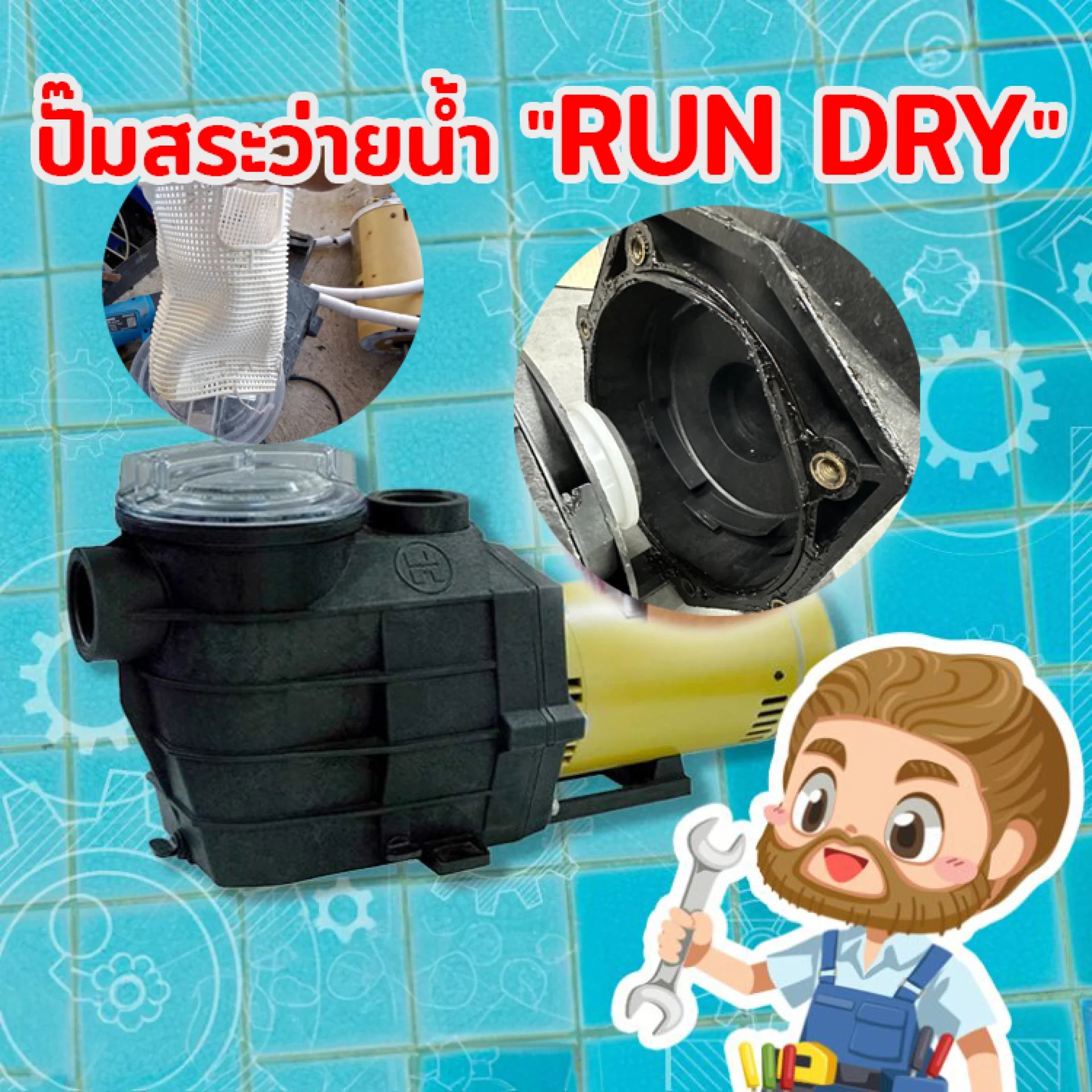
ปั๊มสระว่ายน้ำ "Run Dry"
Last updated: 6 May 2025
443 Views

ปั๊มสระว่ายน้ำ "Run Dry" 

     หมายถึง การที่ปั๊มทำงานโดยไม่มีน้ำอยู่ในระบบ ซึ่งอาจเกิดจากหลายสาเหตุและสามารถก่อให้เกิดความเสียหายต่อปั๊มได้ หากไม่ได้รับการแก้ไขอย่างทันท่วงที
   โดยสาเหตุและวิธีแก้ไขปัญหาเพื่อป้องกันไม่ให้ปั๊มทำงานแบบ **run dry** มีดังนี้:

 สาเหตุของปั๊มสระว่ายน้ำ run dry:

     1. ท่อดูดน้ำรั่ว: การรั่วของท่อทำให้อากาศเข้ามาในระบบ ทำให้ปั๊มไม่สามารถดึงน้ำได้
     2. ตัวกรอง (filter) อุดตัน : หากตัวกรองหรือตะแกรงกรองน้ำเกิดการอุดตัน อาจทำให้ปั๊มไม่สามารถดูดน้ำเข้าสู่ระบบได้
     3. วาล์วหรืออุปกรณ์ในระบบปิด: อาจมีวาล์วหรือส่วนของระบบที่ปิดอยู่หรือทำงานไม่ถูกต้อง ทำให้ไม่มีน้ำเข้าสู่ปั๊ม
     4. การติดตั้งปั๊มไม่เหมาะสม:  หากปั๊มติดตั้งในตำแหน่งที่สูงเกินไปเมื่อเทียบกับระดับน้ำในสระ อาจทำให้ปั๊มไม่สามารถดูดน้ำได้ดี
     5. ระดับน้ำในสระต่ำเกินไป : หากระดับน้ำในสระลดลงจนต่ำกว่าที่ปั๊มสามารถดูดน้ำขึ้นมาได้ หรือ ท่อทางดูดถูกแทนที่ด้วยอากาศ ทำให้ปั๊มไม่สามารถดูดน้ำได้เพียงพอ

วิธีแก้ไขและป้องกันปั๊ม run dry 

   1. ตรวจสอบท่อดูดน้ำ: ตรวจสอบท่อดูดน้ำเพื่อหาจุดรั่วหรืออากาศที่อาจเข้ามาในระบบ และซ่อมแซมท่อที่รั่ว
   2.  ทำความสะอาดตัวกรอง: ควรทำความสะอาดตัวกรองอย่างสม่ำเสมอเพื่อลดการอุดตันและเพื่อให้น้ำไหลผ่านปั๊มได้อย่างราบรื่น
   3. ตรวจสอบวาล์วและอุปกรณ์อื่นๆ:  ตรวจสอบวาล์วในระบบว่ามีการเปิด-ปิดตามที่ควรหรือไม่ ตรวจสอบอุปกรณ์อื่นๆ ที่เกี่ยวข้องเพื่อให้แน่ใจว่าไม่มีสิ่งใดขัดขวางการไหลของน้ำ
   4. ติดตั้งเซ็นเซอร์ป้องกันการทำงานแบบ run dry: การติดตั้งเซ็นเซอร์ตรวจวัดการมีน้ำในระบบ สามารถช่วยป้องกันไม่ให้ปั๊มทำงานในกรณีที่ไม่มีน้ำเข้ามาได้
   5. ปรับตำแหน่งการติดตั้งปั๊ม: ตรวจสอบตำแหน่งการติดตั้งปั๊มให้เหมาะสม เพื่อให้สามารถดูดน้ำได้อย่างเต็มประสิทธิภาพ
   6.  ตรวจสอบระดับน้ำในสระเป็นประจำ: ควรรักษาระดับน้ำในสระให้อยู่ในระดับที่เหมาะสมกับระบบการทำงานของปั๊ม ตรวจเช็กว่ามีน้ำไหลเข้าสู่ปั๊มเพียงพอ


------------

Related Content
⭐ **WATERSTOP for Swimming Pool Construction Selection Guide + Specifications (Winwinpool Standard by Pool Size & Concrete Thickness)**
⭐ How to Choose the Right Waterstop for Swimming Pools Selecting the proper waterstop is essential for preventing leakage through concrete joints in swimming pool structures, including floor-to-wall joints, construction joints, and areas with structural movement such as expansion joints. Choosing the correct size and thickness helps ensure long-term waterproofing performance and extends the overall lifespan of the pool. The selection should always match the thickness of the pool wall or slab. For example, 6-inch waterstops are suitable for 15–20 cm concrete walls, while 8-inch models are recommended for 20–25 cm walls. Rib design and thickness are equally important: triple-rib models provide stronger anchorage and are ideal for high-pressure or movement-prone areas, whereas double-rib models suit general construction joints. Winwinpool classifies its waterstops into six types—Type A, AA, B, BB, C, and CC—allowing engineers, contractors, and homeowners to select the most appropriate model according to structural requirements and pool design standards.
Scientific Article: Is a 100% Chemical-Free Swimming Pool Possible? The Scientific Facts and the Role of NSF 50
No swimming pool can be 100% chemical-free NSF 50 certifies equipmentnot water quality Ionizer systems reduce chlorine but disinfect slowly For safety, a fast-acting disinfectant is still required Best suited for private residential pools with low to moderate bather load
icon-messenger
This website uses cookies to enhance performance and provide you with a better user experience. You can read more details at: Privacy Policy and Cookies Policy
Compare product
0/4
Remove all
Compare