กรดน้ำ กับ กรดแห้ง" สำหรับสระว่ายน้ำแบบไหน ควรใช้มากกว่า?
Last updated: 6 May 2025
1444 Views
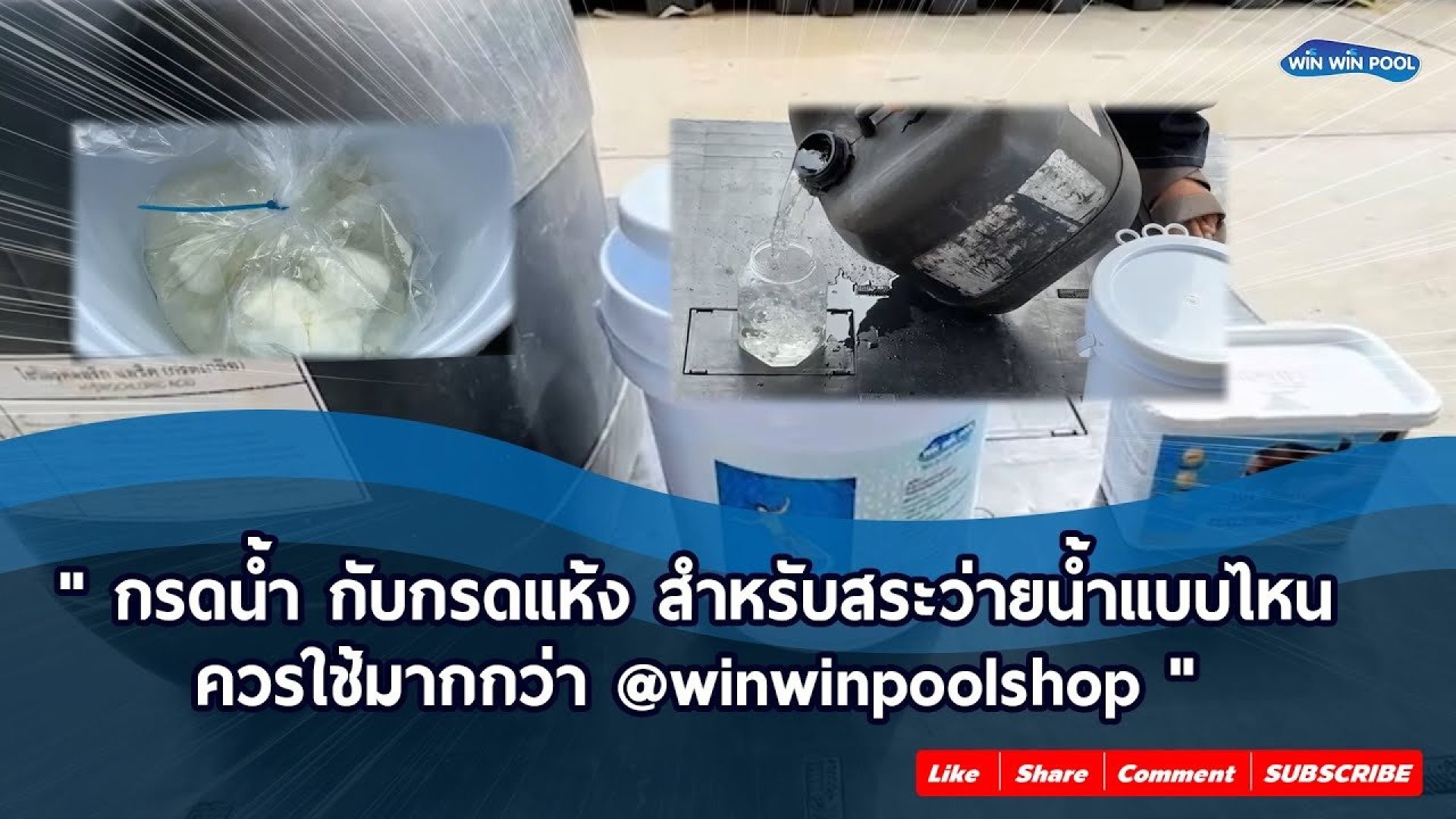
ข้อเปรียบเทียบระหว่างกรดน้ำ(กรดเกลือ ) VS กรดแห้ง (โซเดี่ยมไบซัลเฟต)
| กรดน้ำ (กรดเกลือ) | กรดแห้ง (โซเดี่ยมไบซัลเฟต) | |
| ความเข้มเข้ม | สูงสุด 35% | 93% |
| อยู่ในรูป | ของเหลวใสอมสีเหลือง /มีควัน | เกล็ดผงสีขาว/ไม่มีควัน |
| การกัดกร่อน | กัดกร่อน | กัดกร่อน |
| การจัดเก็บ | ภาชนะที่มิดชิด ห้ามมีรอยรั่ว เก็บในร่ม/อันตรายกว่า | ปิดฝาไม่ให้อากาศเข้า/ ปลอดภัยกว่า |
| การคงตัว | ความเข้มขันลดลงได้มากกว่าแบบแห้ง | ค่อนข้างจะคงที่มากกว่า |
| WinwinPool แนะนำ | ไม่แนะนำ เพราะอันตรายกว่า | แนะน่าเพราะปลอดภัยกว่า ความเข้มข้นสูงกว่า ใช้งานง่ายกว่า |
Related Content
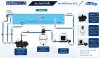
AstralPool filtration system for 60 m³ swimming pools featuring the Victoria Plus Silent pump, Cantabric D600 sand filter, and Viron V35 salt chlorinator by WinwinPool.
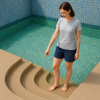
Why You Should Never Use Exposed Aggregate (Washed Sand Finish) Inside a Swimming Pool
Using exposed aggregate or washed sand finish inside the pool is strongly discouraged because chlorine and pool chemicals gradually erode the surface, causing sand particles to loosen and detach. These particles are then carried by the water flow into the filtration system, where they often get stuck in the pump impeller, leading to wear, reduced performance, and costly pump damage.
Additionally, exposed aggregate surfaces retain algae, are difficult to clean, and the rough texture may cause scratches or abrasions to swimmers. As the surface deteriorates, loose particles make the pool water cloudy and increase the frequency of maintenance, driving up long-term operating costs.
✅ Recommendation
⭐ Brief Summary
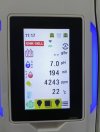
Most Check Cell problems are caused by no water flow or loose cell cables.
Check the flow and cable connectors for tightness. The system will resume operation and the warning message will disappear.
